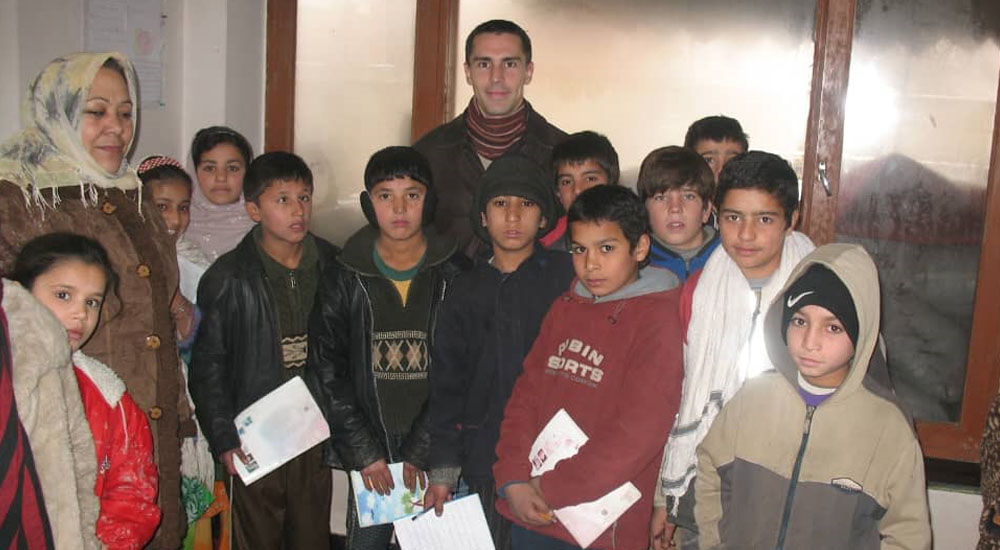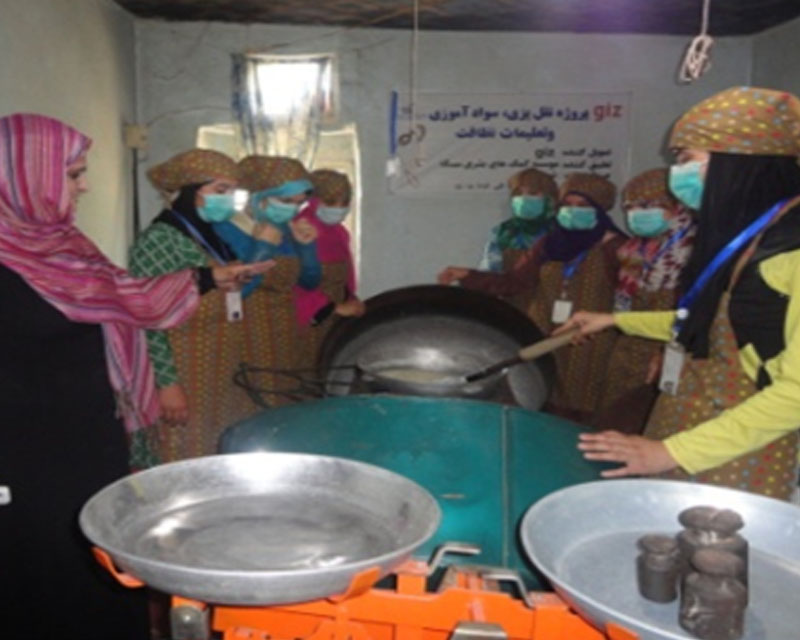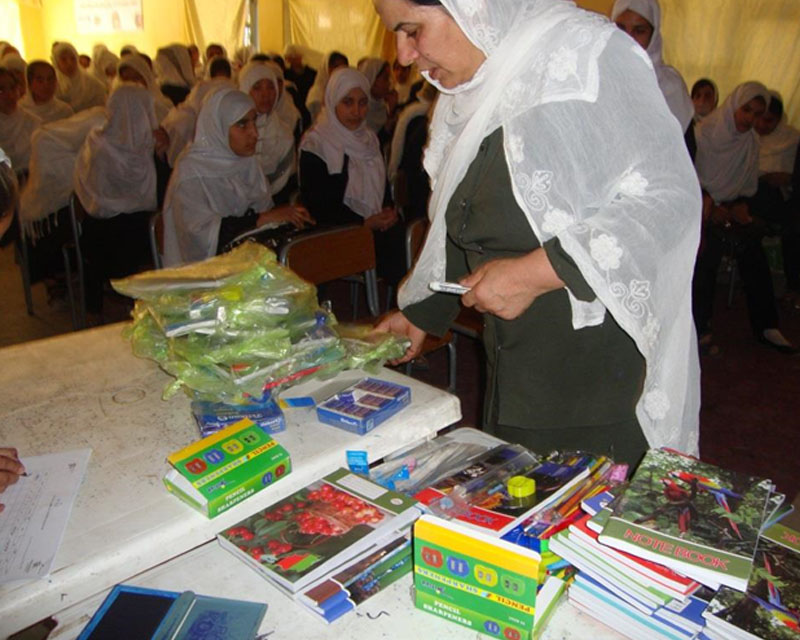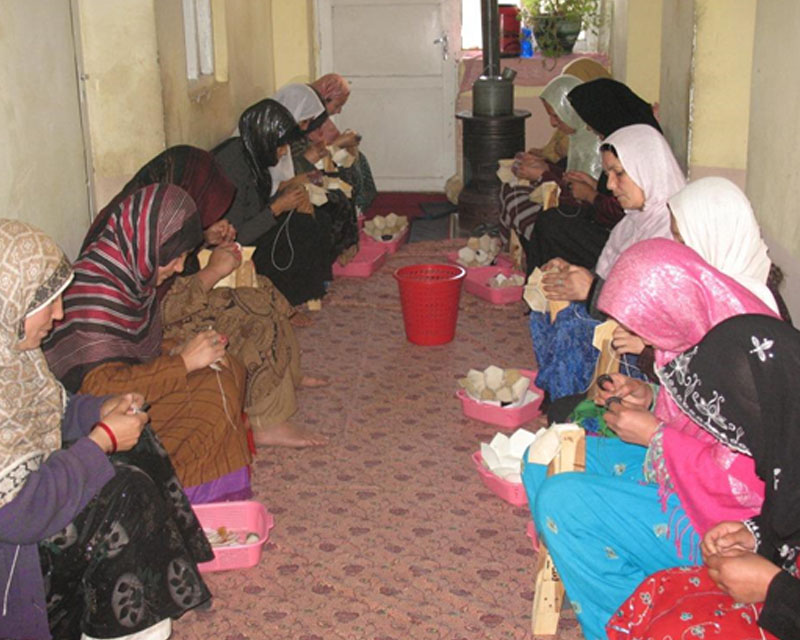
Humanitarian Assistance Muska (HAM) began its work informally in early 1997 in Afghanistan under the name Humanitarian Assistance for Women (HAW). Initially, the organization focused on home-based schools for girls (grades 1-9) and literacy programs for individuals over the age of 15. In early 1999, HAW expanded its activities to Pakistan, particularly in the Hari-Por and Ghazi camps. The program aimed to assist the most vulnerable populations, especially women and children, by helping refugees, particularly women, with product marketing.
In 2005, HAW was registered with the Ministry of Economy and changed its name to Humanitarian Assistance Muska (HAM). Humanitarian Assistance Muska (HAM) is a women-led, non-profit, non-governmental organization (NGO). Its main activities include promoting human rights and women's rights, improving community access to justice and education, and vocation improvement. HAM is also involved in peace-building and conflict mediation, health education, civic and basic literacy education, vocational training and income generation activities, capacity building for women and youth, and emergency assistance. HAM has implemented over 50 projects in various areas, including vocational training, advocacy, human rights awareness, capacity building, hygiene education and sanitation, public awareness, health literacy, and literacy.
Offer targeted training programs to build skills and enhance the capacity of individuals and communities in key areas such as vocational skills, leadership, and management. Foster personal and professional development through workshops, seminars, and mentorship programs designed to empower participants and support sustainable growth.
Monitoring and evaluation form the basis for modification of interventions and assessing the quality of activities being conducted. HAM usually performs M&E as an obligatory mechanism for the implementation of its project; HAM performs monitoring of its projects regularly that include finding facts regarding projects progress the results of which is being generated in the form of both, qualitative and quantitative reports and data, and facts and figures of the progress. The monitoring is usually taking place on two levels A-Managerially and B-Technically.
Evaluation as monitoring will be taking place as a systematic and independent examination of the project, to determine its efficiency, effectiveness, impact, sustainability, and relevance in the light of its objectives.
HAM is audited by its independent internal audit team, external Audit teams as well as open to take full responsibility to provide opportunities to donor agencies, grant managers and TPMs and other concerned parties and audit team, communities, local authorities, and partner organizations to conduct independent and joint evaluation and audit of our interventions at all levels. HAM has been assessed and audited by multiple UN agencies TPM, Global Fund Audit teams in the past 2 years and has successfully managed to pass all the assessments and scored high and average in all these assessments. HAM has also been assessed for PSEA (Prevention and Sexual Exploitation and Abuse) measurements, Mechanisms, GRM, and Policies and successfully managed to score medium in the assessment. The assessments are all available.
HAM maintains a very transparent financial and accounting procedure with very well-designed administrative regulations which is the standard for NGOs. HAM maintains the normal NPO (Non-Profit Organization) Double Entry accounting system with Cash Book, Bank Book, Ledger, Journal, Vouchers bookkeeping procedures where every single transaction is being recorded and tracked very accurately, with all necessary supporting documentation maintained.
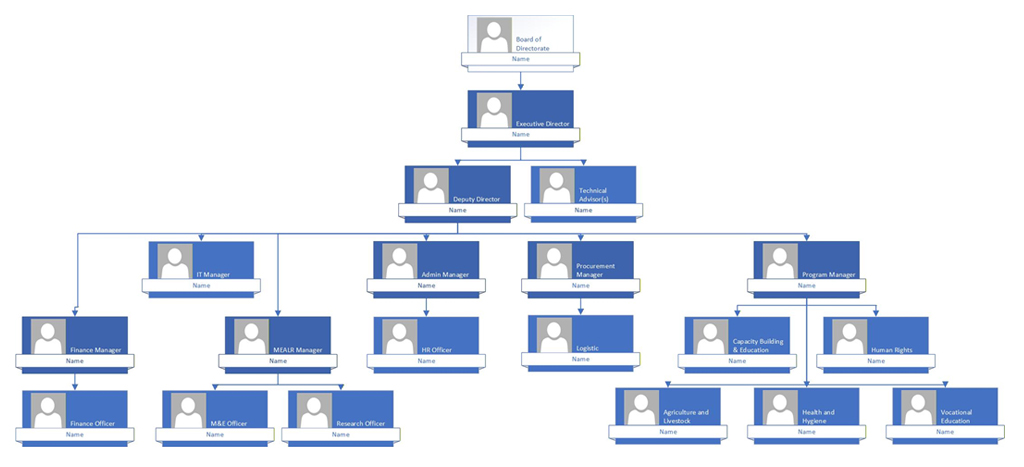
Comprised of five experienced members providing strategic leadership and oversight. for more see our Organizational Structure
Responsible for overall management, policy implementation, and organizational direction.
A dedicated team supporting program delivery, administration, and day-to-day operations.
To create a sustainable future where every individual has access to quality education, healthy living conditions, and the resources to thrive in a knowledgeable and empowered society.
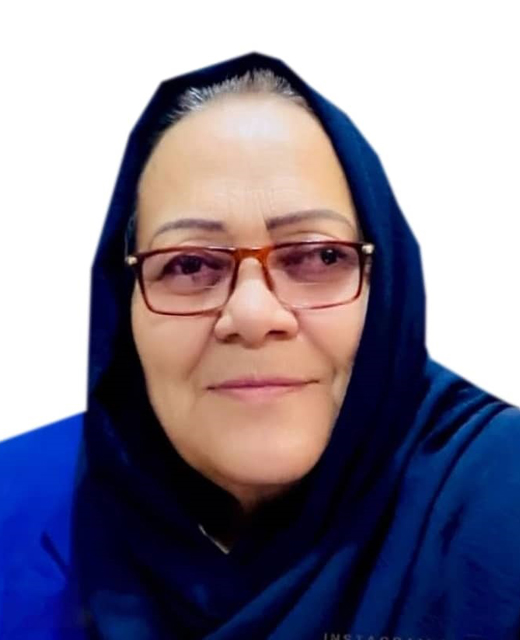
Executive Director
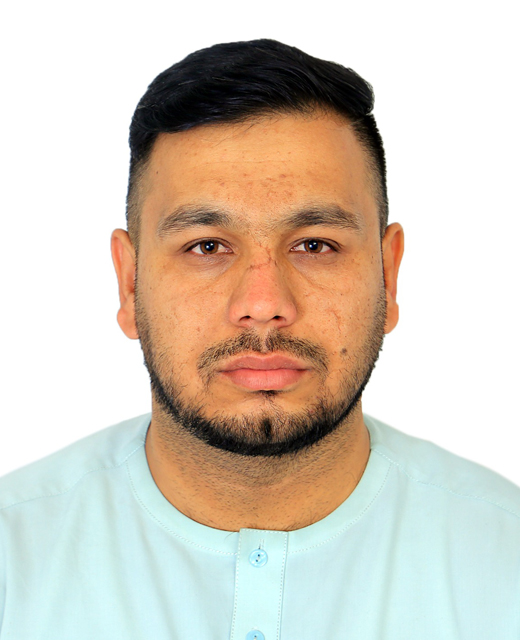
Deputy Director
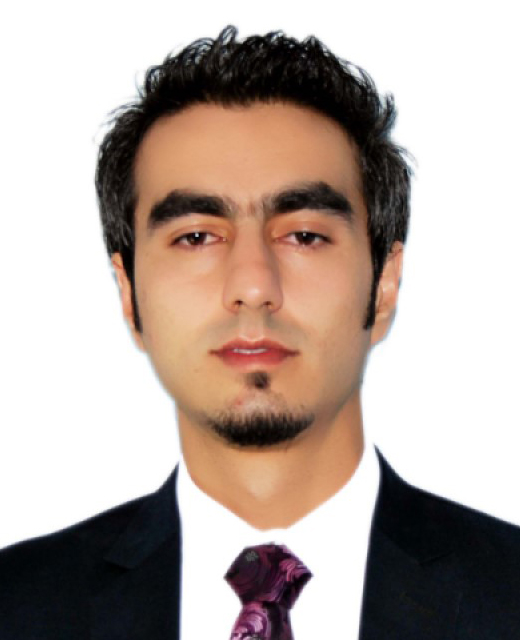
Program Manager
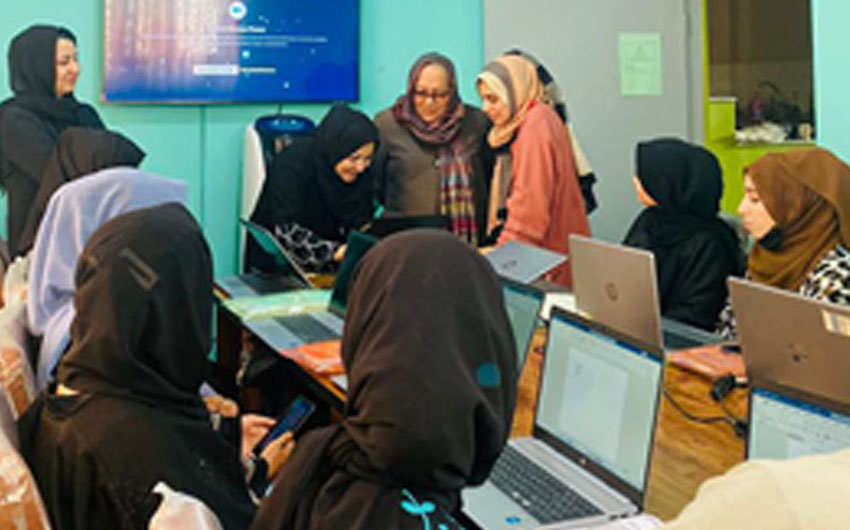
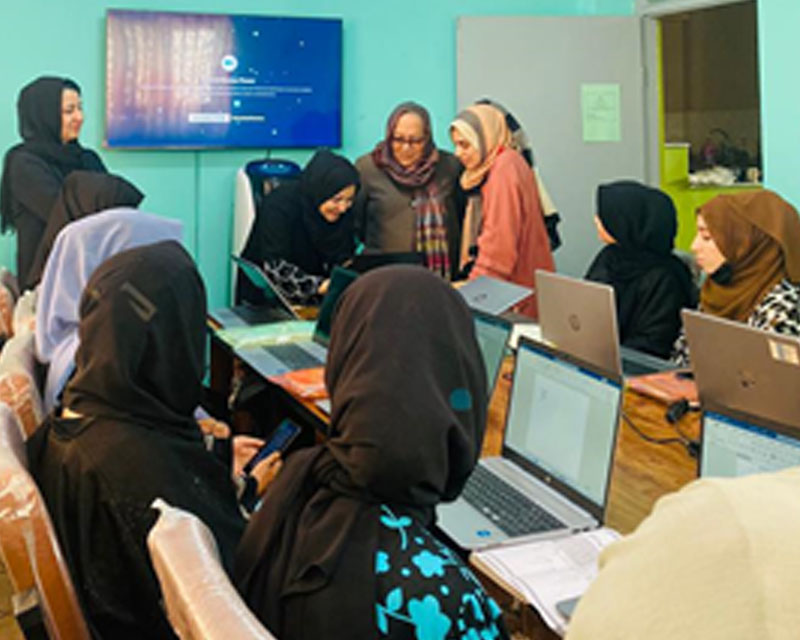
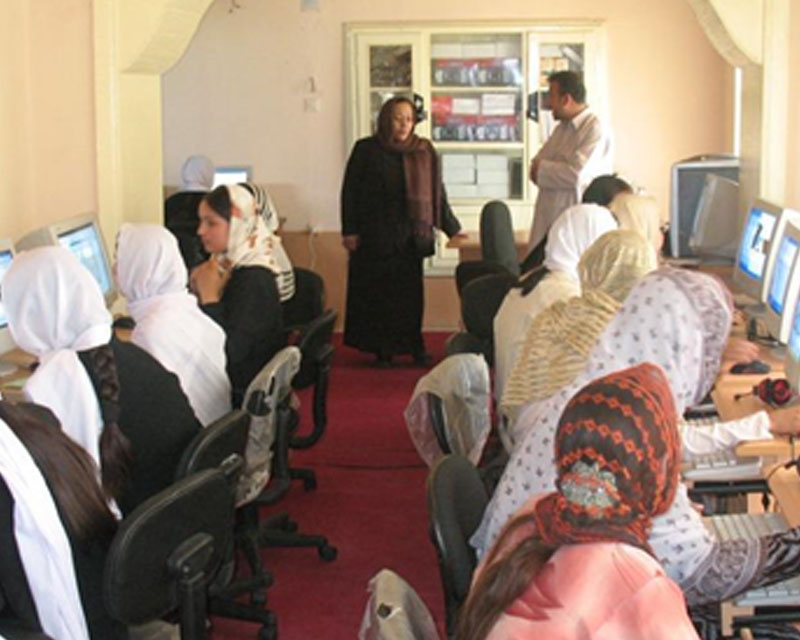
The project provided a five-month, skills-based training program for 50 women and girls deprived of education, focusing on computer literacy, administrative and financial management, and essential soft skills. Implemented under restrictive conditions, it created a safe learning environment that rebuilt confidence, employability, and hope among participants
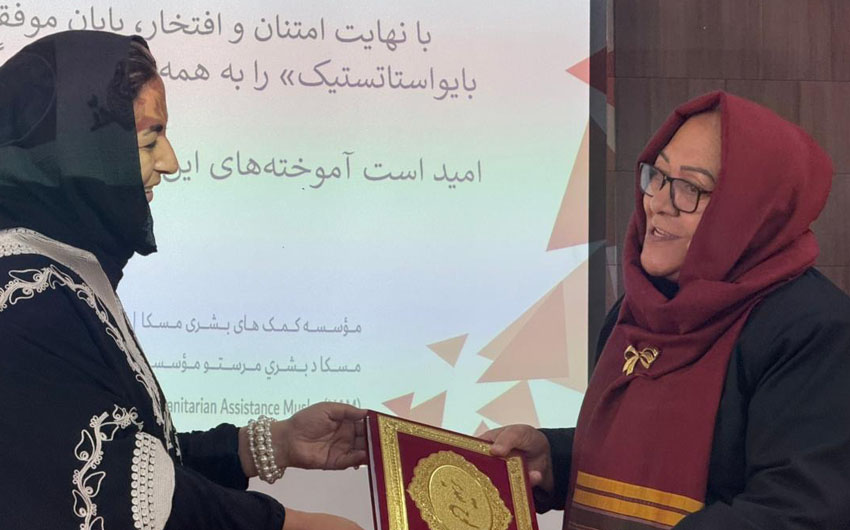
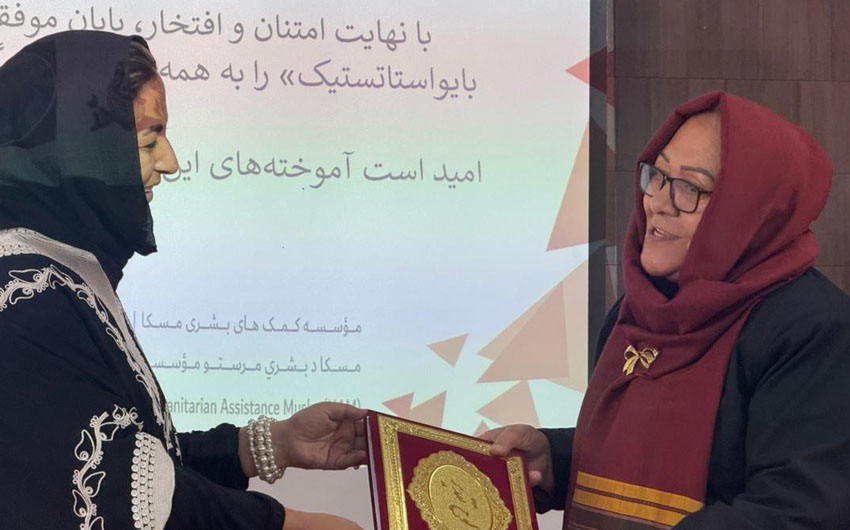
The project delivered a three-month, in-person training on basic research methodology and biostatistics for 15 Afghan female health science graduates and medical professionals. It aimed to strengthen research capacity, promote evidence-based practice, and empower women to contribute to health research and leadership despite restrictive conditions
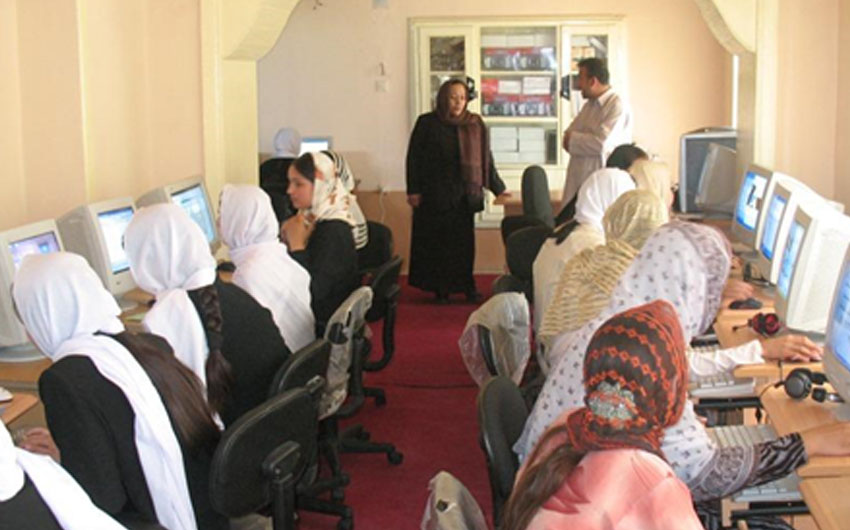
The WEER Initiative is a 6-month project aimed at empowering Afghan women and non-university female students in Doghabad, District 7, Kabul. Funded by UNDP, the initiative focuses on enhancing the skills, economic opportunities, and emotional resilience of 30 direct beneficiaries through comprehensive training in computer skills (MS Office), essential soft skills for job readiness, and administrative and financial management. The program is designed to bolster their capabilities and support their personal and professional growth in a challenging environment.